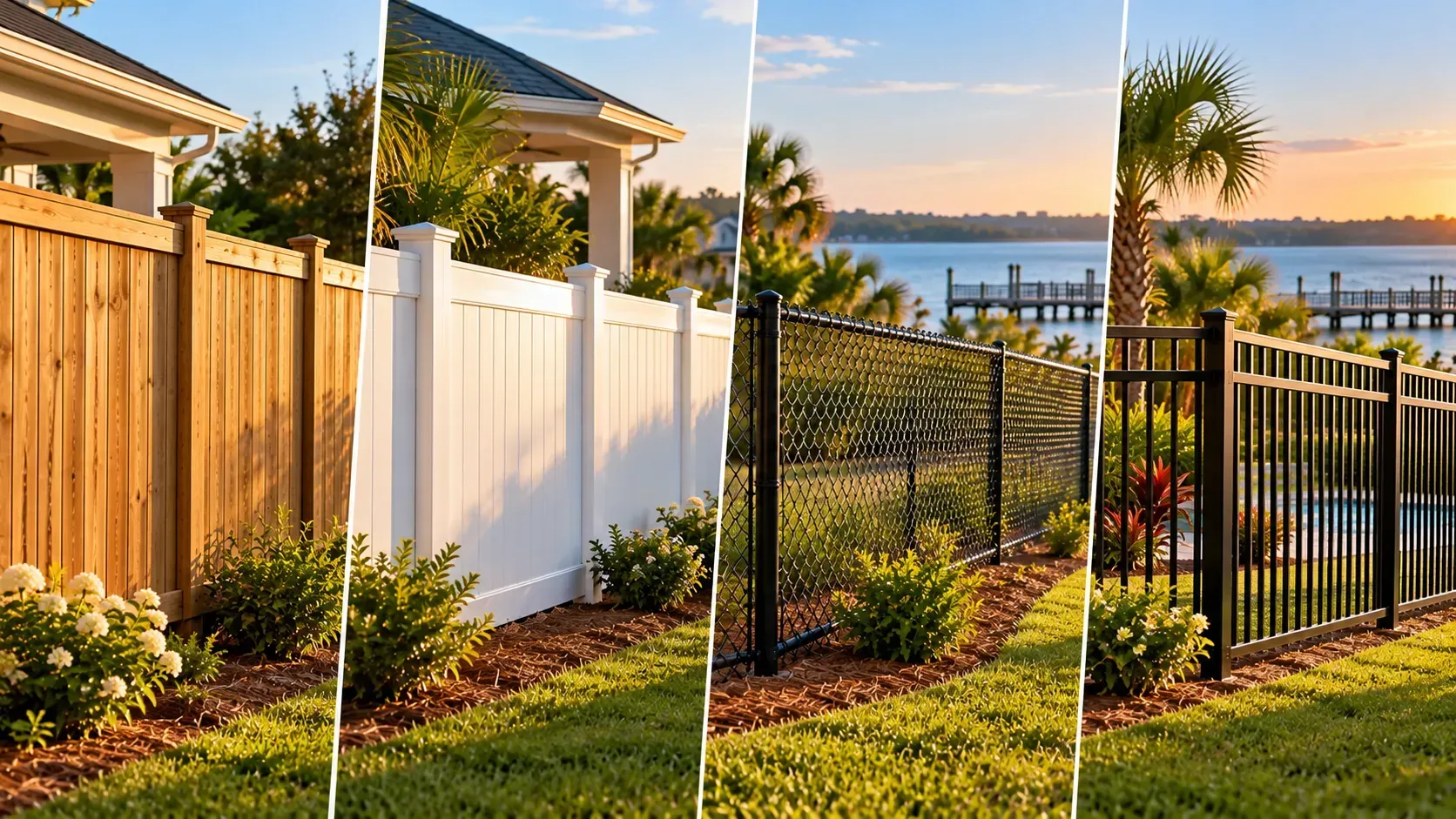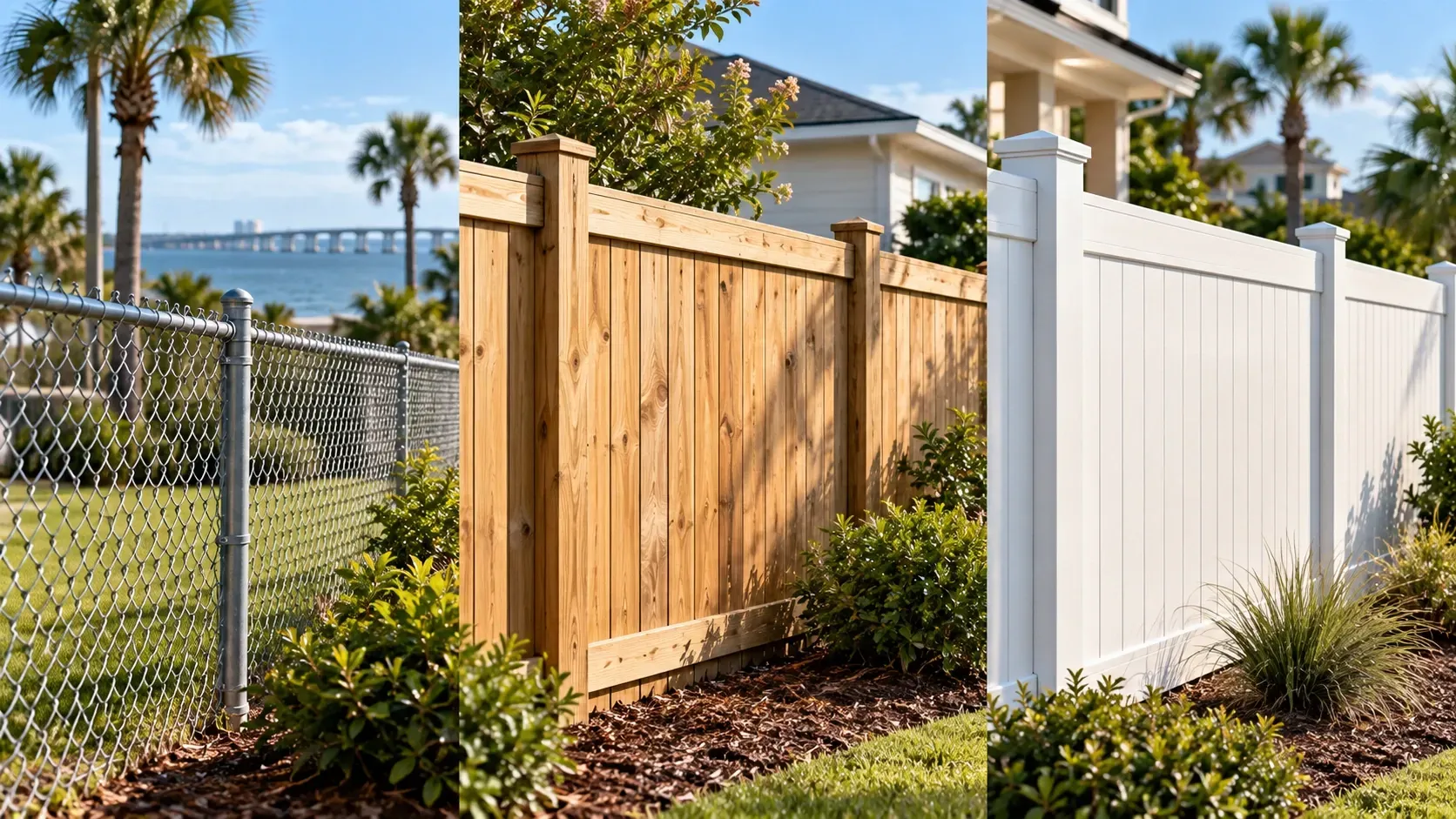

For most Gulf Coast properties, aluminum fencing delivers the strongest combination of durability, low maintenance, and curb appeal. Wood offers warmth and full privacy. Vinyl holds its appearance longest with almost no upkeep. Chain link costs the least upfront. Each material has conditions where it's genuinely the right call, and choosing wrong is an expensive mistake to undo.
Key Takeaways
- Aluminum resists salt air and humidity cycling better than wood or chain link, making it a reliable default for most Gulf Coast sites
- Wood is a legitimate option when maximum privacy and a natural appearance matter more than long-term maintenance cost
- Vinyl requires the least upkeep over time but carries the highest upfront cost and can crack under severe wind-driven impact
- Chain link works well for utility areas and commercial perimeters where appearance isn't the priority
- A professional site assessment before selecting materials prevents the most common and costly fence mistake: choosing the right material for the wrong conditions
What Actually Makes a Fence Fail on the Gulf Coast?
It's not age on its own. The failure mechanism is what happens when sustained humidity, salt air, and seasonal rainfall work together on a material that wasn't designed to handle all three at once.
Wood absorbs moisture, swells, dries, and contracts. Run that cycle through years of Gulf Coast humidity and the post base begins to separate from the surrounding soil. The post is almost always the first component to go, and replacing posts on an existing fence typically costs more than homeowners expect going in.
Chain link doesn't rot, but the galvanized coating on standard chain link degrades in salt-air environments. Once the zinc layer is compromised, rust moves quickly. You'll generally see it first at the base of the posts, right where metal meets soil.
Aluminum behaves differently. The powder coat finish bonds directly to the metal substrate, and aluminum doesn't oxidize the way steel or iron does. Salt air can't corrode what it can't penetrate. That's not a marketing claim. It's basic material chemistry.
The real problem most homeowners face isn't selecting a bad material in the abstract. It's picking a material that performs fine in a drier climate and discovering the mismatch a couple of years after installation.
How Do You Match a Fence Material to Your Property's Actual Conditions?
Before choosing a material, four things need honest evaluation: exposure level, privacy requirement, maintenance tolerance, and budget horizon.
Exposure level describes how directly the fence faces salt air, standing water, or sustained wind. A fence on a waterfront lot in Gulf Breeze will face higher exposure than a rear yard fence in Pace or Cantonment. Material choice should scale with exposure because degradation timelines do too.
Privacy requirements are essentially binary. Either the fence needs to block sightlines or it doesn't. Aluminum and chain link are open-style materials by design. If sightline privacy is a real requirement, the choice narrows to wood or vinyl before anything else.
Maintenance tolerance is how much ongoing work you're actually willing to commit to. Wood needs staining or painting on a recurring cycle. Chain link needs periodic rust inspection. Aluminum and vinyl need almost nothing after installation.
Budget horizon is whether you're optimizing for the lowest cost today or the lowest total cost over ten or more years. Chain link typically wins on day one. Aluminum tends to come out ahead over a longer hold period because maintenance costs on wood and chain link compound in ways that aren't obvious at the point of purchase.
If exposure is high and maintenance tolerance is low, aluminum is the right answer for most properties. If privacy is required and you plan to stay long-term, vinyl's upfront premium is often worth it. If budget is the primary constraint and the fence is in a low-visibility utility area, chain link is a legitimate choice, not a compromise.
How Do the Four Materials Compare When You Account for Professional Installation?
| Factor | With Martin's: Right Material, Professional Install | Going It Alone or Using Unqualified Help |
|---|---|---|
| Material fit for site | Matched to exposure, soil, and wind load after on-site assessment | Chosen without site-specific data, a common source of early failure |
| Post depth and footing | Calculated for fence height, material weight, and local soil conditions | Often undersized, especially in sandy Gulf Coast soils |
| Salt air and rust resistance | Top-grade materials from proven manufacturers including Spectra, Senox, ACM, and Raytec | Variable quality, sourced without performance specs for this climate |
| Long-term cost | Higher upfront, lowest total cost with lifetime warranty backing | Lower upfront, compounds through premature repairs and replacement |
| Warranty protection | Lifetime warranty on materials, extended warranty available with service packages | No warranty, no recourse after installation |
| Timeline risk | One visit, one assessment, professional completion | Rework extends the timeline and compounds cost |
The table isn't about the cheapest material winning. It's about whether the material that gets installed will actually perform for the site it's going on.
Consider a property in Navarre with a corner lot, a backyard pool, and HOA requirements. The homeowner wants something that looks good from the street, won't need repainting, and can hold up through tropical storm season. Aluminum could check every box in that situation. Wood would likely need repainting within a few years given that combination of sun and humidity. Vinyl might work but costs more upfront for essentially the same open appearance. Chain link typically won't meet HOA requirements.
Now consider a commercial property manager in Pensacola with a rear utility yard that needs securing but isn't visible from the street. Chain link installed with commercial-grade posts could be the practical call there. No one is paying for curb appeal on a utility enclosure. The conditions determine the answer, not a universal preference for one material.
For commercial projects where perimeter length and security specifications differ significantly from residential work, the commercial services page covers how those factors shift the recommendation.
Why Does Wood Keep Losing the Long-Term Maintenance Math?
Wood fencing is often the most satisfying choice at installation. It looks warm, it's familiar, and it photographs well. The problem is that Gulf Coast conditions aren't particularly kind to it over time.
Deterioration typically begins at the post base. In high-humidity, high-rainfall environments, pressure-treated lumber resists moisture for a period, but that resistance has real limits. What looks solid at the surface can have compromised integrity at the soil line before anything is visible from the outside. That's not an argument against wood in every situation. It's an argument for going in with clear expectations about what the ongoing maintenance commitment actually looks like.
Wood holds up better in lower-exposure inland environments. Properties in Milton or the inland parts of Baldwin County face less direct salt air, and that changes the calculus meaningfully. The right approach to fence installation depends on the specific site, and an on-site assessment is the only reliable way to make that call accurately.
What Does Vinyl Do That Aluminum Doesn't?
Vinyl provides full privacy. That's the primary functional difference between the two.
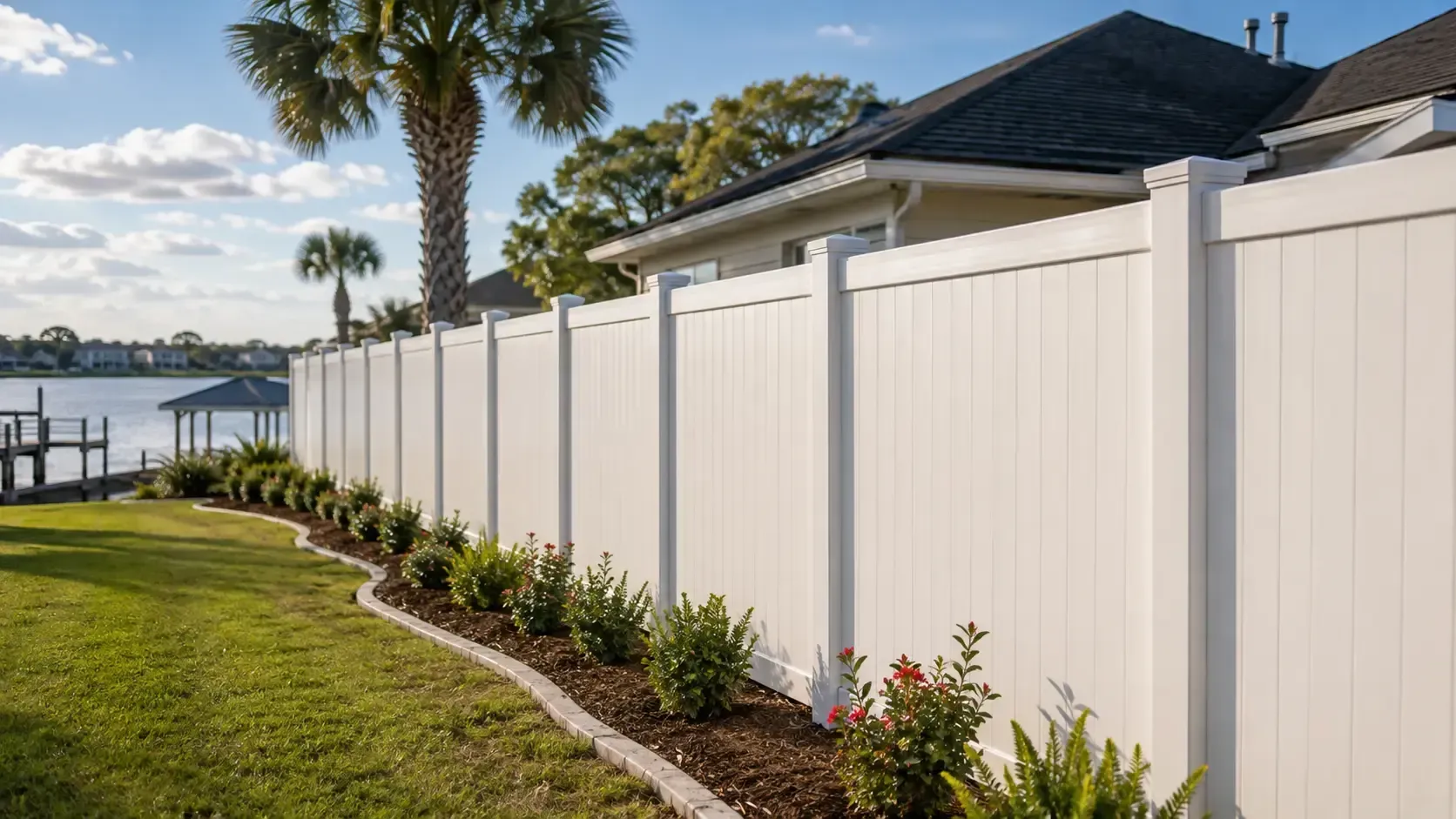
A vinyl privacy fence blocks sightlines completely, holds its color without painting, and won't rust or rot. In a backyard application where privacy is the goal and the homeowner wants to stop thinking about maintenance, vinyl is hard to beat.
The tradeoff is impact resistance. Vinyl is rigid, and rigid materials respond to hurricane-force wind and flying debris differently than metal. A significant impact can crack or shatter a vinyl panel under conditions where aluminum would dent but survive. In a high-wind zone, that's worth weighing before committing.
Vinyl also carries the highest upfront cost of the four materials. For a homeowner planning to stay in the property for many years, that premium often pays back through zero repainting costs and minimal upkeep. For a real estate investor with a shorter hold period, the math is less straightforward.
Vinyl makes the most sense when two requirements exist together: full privacy and low maintenance. Choosing it for appearance alone, without a genuine privacy need, means paying a premium that aluminum delivers for less.
When Aluminum Isn't the Right Answer
Aluminum works well in a lot of situations. Not all of them.
If you need a solid privacy fence, aluminum won't deliver it. The open picket style that gives aluminum its curb appeal is also what makes it useless as a privacy barrier.
If your primary concern is the lowest possible upfront cost and the fence is in a low-visibility utility area, chain link will do the job for less. Aluminum's advantages over chain link are mostly aesthetic and tied to longevity. In a rear utility yard that no one sees, those advantages may not justify the cost difference.
If you want a natural wood look and you're committed to maintaining it, wood remains a valid choice. Some properties look wrong with metal fencing, and that's a real consideration. Curb appeal affects property value, and a fence that looks out of place can work against it.
No single material is right for every property. That's exactly why a site visit matters before any decision gets made.
Martin's Seamless Gutters & Fencing has been serving residential and commercial customers across Northwest Florida and the Gulf Coast since 2004. Every project starts with a free estimate and a direct conversation about what the site actually needs. You can review the full range of fencing services and material options before scheduling.
Should You Look at Your Gutters While the Fence Crew Is There?
This comes up regularly. If you're already getting a fence installed, is it worth looking at the gutter system at the same time?
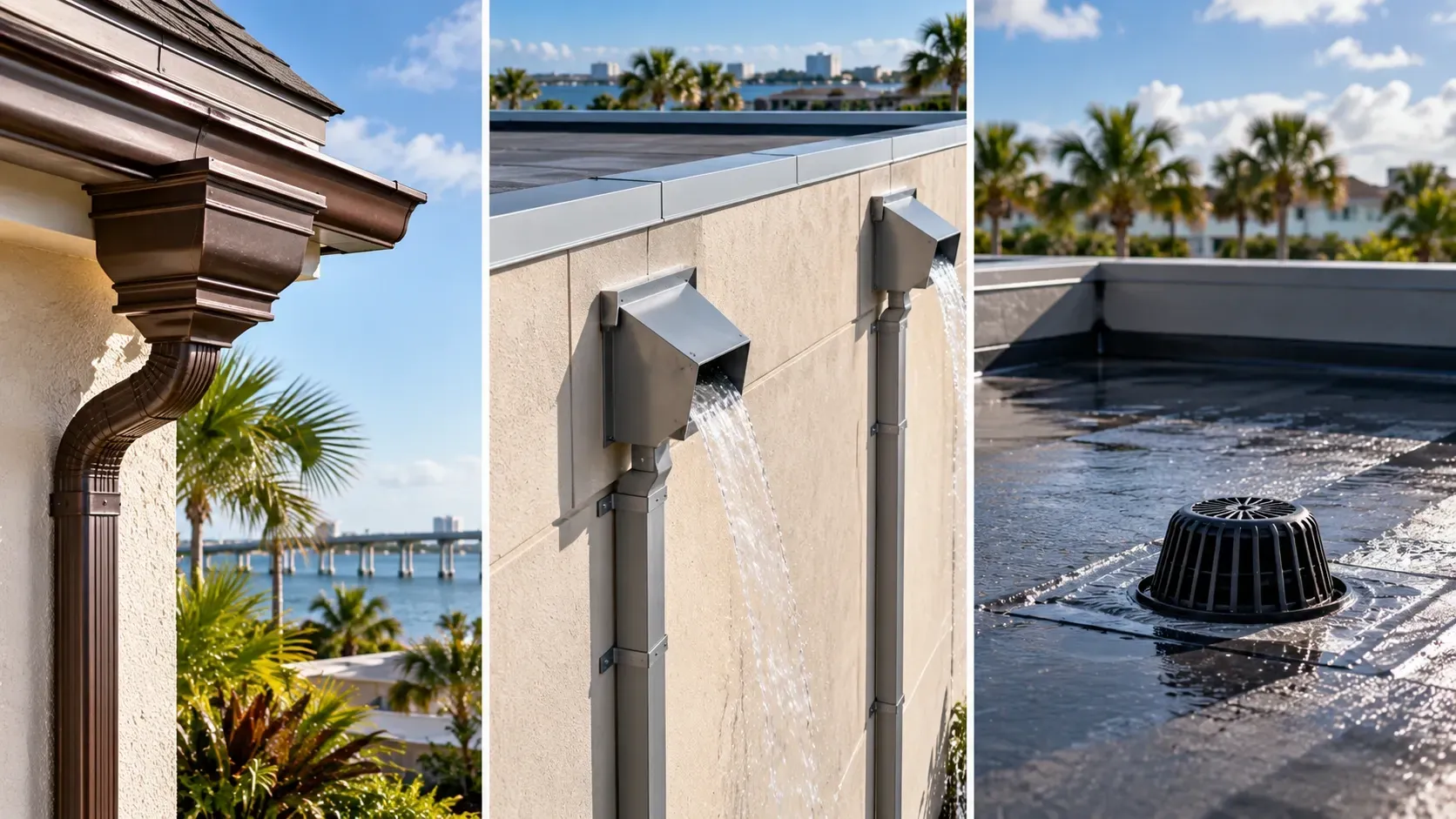
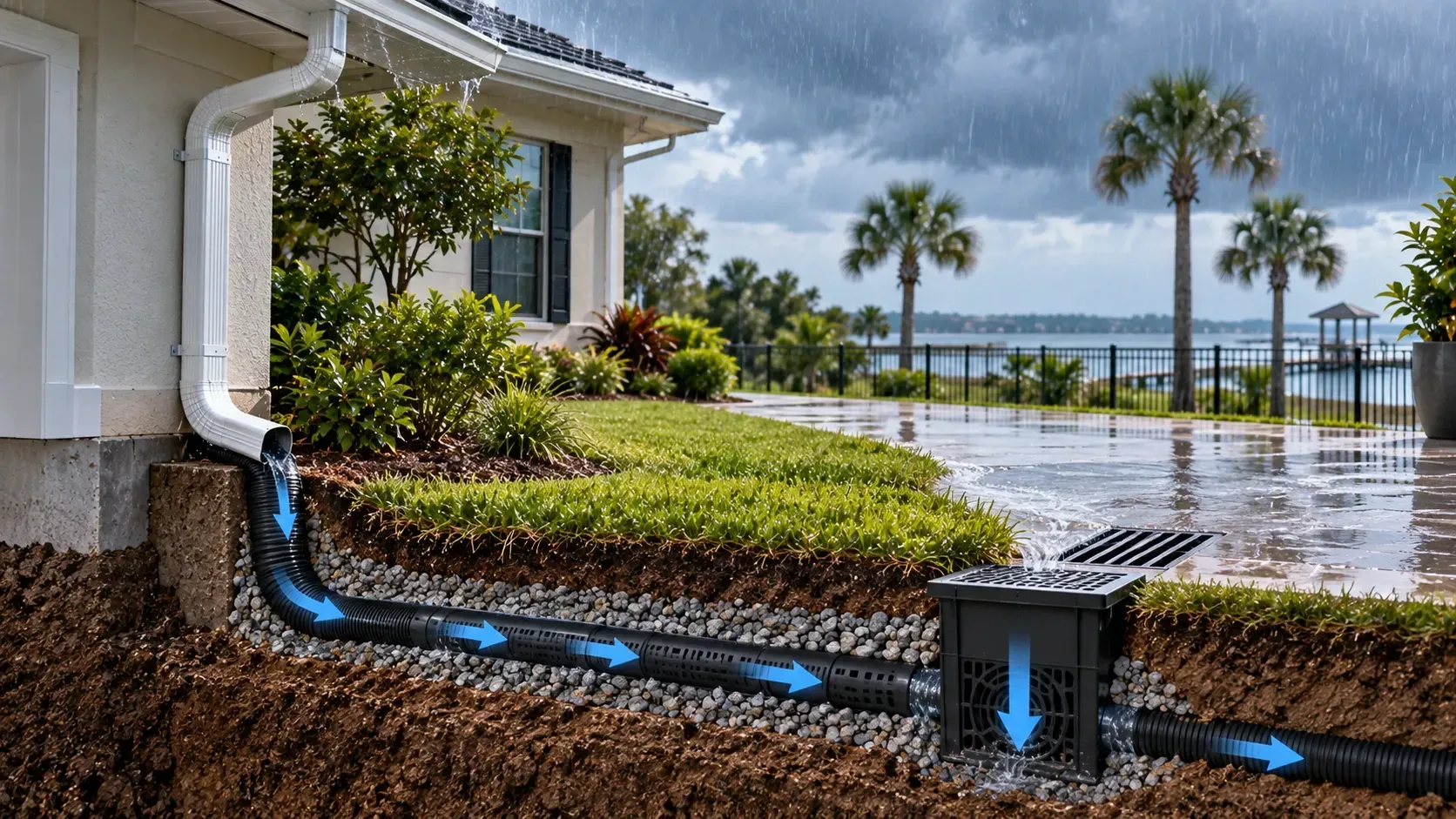
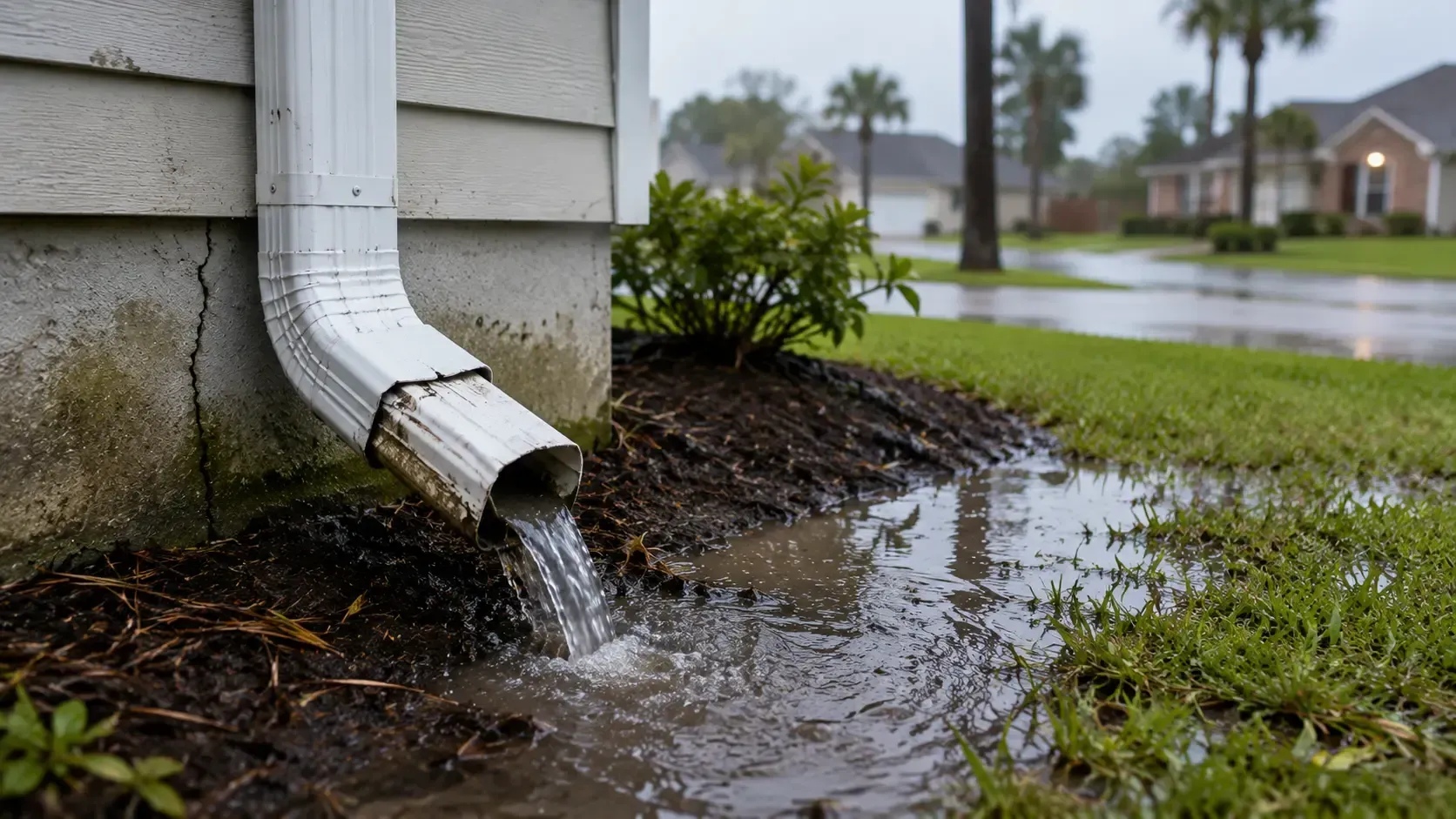
Usually yes. The same conditions that wear down fences are working on your gutters too. A fence project often surfaces drainage problems that weren't visible before: water pooling near post holes, soil erosion along the foundation line, downspouts discharging too close to the new fence line.
Addressing gutter repair or installation alongside a fence project isn't just convenient. It's often the only time you'll catch a drainage issue before it becomes a foundation problem. Water that pools at a fence post base doesn't just accelerate post deterioration. It follows the grade toward the house.
Martin's Seamless Gutters & Fencing handles both services, which means one site visit and one assessment from a contractor who understands how the fence line and drainage system interact. That assessment also covers leaf guard options that reduce ongoing maintenance significantly.
Ready to figure out which material fits your property? Contact Martin's Seamless Gutters & Fencing to schedule your free estimate and get a straight answer based on your actual site.
Frequently Asked Questions
How long does an aluminum fence last in Florida's humidity and salt air?
A properly installed aluminum fence with a quality powder coat finish holds up well in Gulf Coast conditions with minimal maintenance. The variables that matter most are post depth, concrete footing quality, and whether the coating was applied to a properly prepared surface. Aluminum sourced from lower-quality manufacturers with thin coatings will fail earlier, which is why material sourcing is as important as the installation itself.
Is vinyl fencing worth the higher upfront cost compared to aluminum?
It depends entirely on whether you need privacy. If you want a fence that blocks sightlines completely and you don't want to paint or stain it for the next two decades, vinyl's upfront premium is generally worth it. If you want an open decorative fence for curb appeal, aluminum gives you the same low-maintenance performance for less. Don't pay for vinyl's privacy if privacy isn't actually what you need.
Can I install a fence myself to save money?
You can attempt it, but the most expensive fence mistakes happen at installation, not in the material selection. Post depth, footing volume, and post spacing are site-specific calculations that depend on soil type, wind load, and fence height. Sandy Gulf Coast soils are particularly unforgiving of undersized footings. The savings from skipping professional installation can disappear quickly when posts start shifting after the first major storm.
What's the difference between residential and commercial fence installation?
Commercial projects typically involve longer perimeters, higher security specifications, and different post spacing and gauge requirements than residential work. A commercial chain link installation for a storage or utility facility requires heavier gauge wire and deeper posts than a standard backyard fence. The installation process and material specs are genuinely different, not just a difference in scale.
How do I know if my fence posts need replacing or just the panels?
If a panel is damaged but the post is solid and doesn't move when you push it, panel replacement is usually enough. If the post shifts when you apply pressure, or if you can see rot or rust at the soil line, the post needs to come out. Installing new panels on a compromised post is wasted money because the post failure will take the new panel down with it.
Does Martin's Seamless Gutters & Fencing offer discounts on fence installation?
Yes. Martin's Seamless Gutters & Fencing offers discounts for military personnel, first responders, and senior citizens. The best way to confirm what applies to your project is to request a free estimate, which includes a full property assessment before any pricing is discussed.
How do I decide between a privacy fence and a decorative fence for my front yard?
Front yard fences are almost always decorative rather than privacy-focused, both for HOA compliance and because a solid privacy fence at the front of a property can feel unwelcoming and reduce curb appeal. Aluminum picket or ornamental styles work well in front yards and satisfy most HOA requirements. Save the privacy fence for the backyard where it's doing the job it was built for. If you're unsure what your HOA permits, check before selecting materials.
About the Author
Patrick Martin is the owner of Martin's Seamless Gutters & Fencing, a family-operated company serving residential and commercial customers across Northwest Florida and the Gulf Coast since 2004. With more than two decades of hands-on experience in seamless gutter systems, drainage solutions, and fence installation, he specializes in matching durable materials to the specific demands of Gulf Coast properties. Martin's Seamless Gutters & Fencing serves 14-plus locations across Florida and Alabama, backed by a lifetime warranty on materials and a commitment to honest, reliable service from the first estimate through final installation.