Seamless Gutters vs. Sectional Gutters vs. No Gutters: An Honest Tradeoff Analysis for Gulf Coast Homeowners

Water damage doesn't announce itself. It shows up quietly. In a crawl space that smells wrong, a fascia board that's gone soft, a foundation crack that wasn't there last spring. By the time most Gulf Coast homeowners notice, the damage has been accumulating for months.
Direct Answer
Seamless gutters outperform sectional gutters and unmanaged drainage in most Gulf Coast conditions because they eliminate the joint failures that cause leaks, reduce maintenance frequency, and handle high-volume rainfall without overflow. For most Pensacola-area homes, seamless aluminum gutters represent the lowest long-term cost and highest reliability. But they're not the right call for every property or budget situation.
Key Takeaways
- Seamless gutters have no mid-run joints, which is where sectional gutters fail first. Especially under the high-volume rainfall common in Northwest Florida
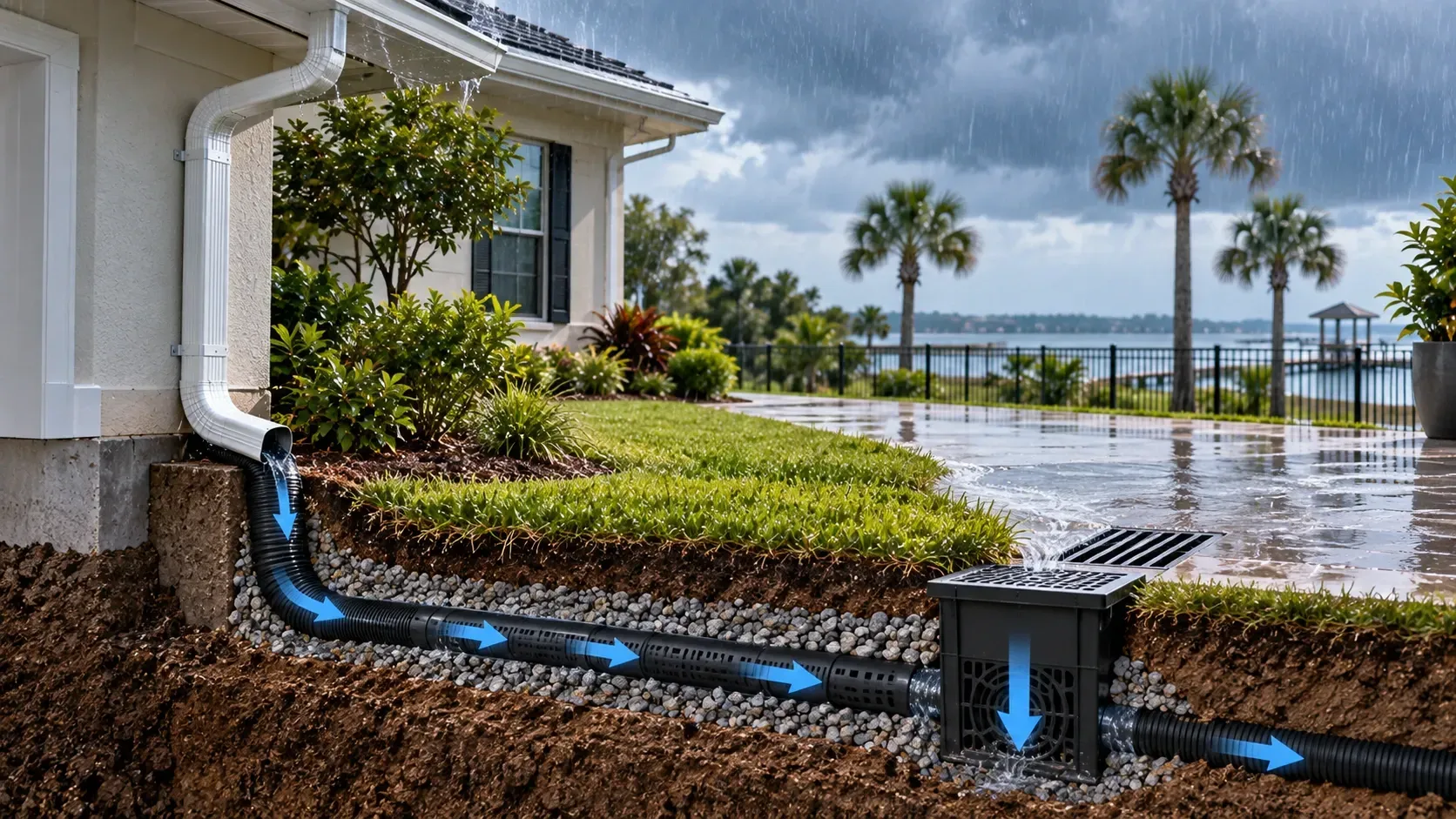
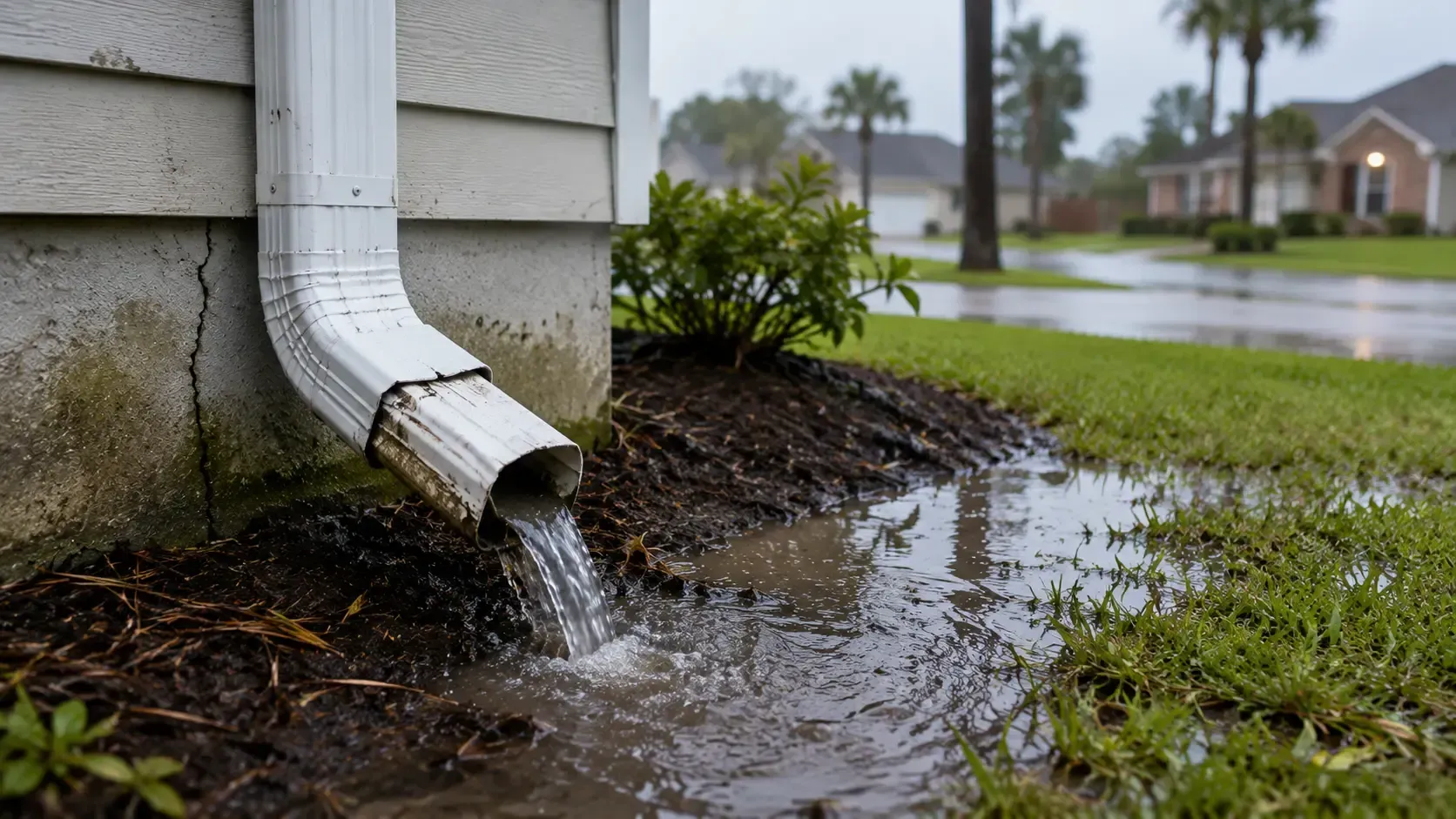
- Skipping gutters entirely is not a neutral choice; unmanaged roof runoff is a primary driver of foundation erosion, soffit rot, and landscape washout in Gulf Coast climates
- Sectional gutters are a reasonable short-term option for tight budgets, but practitioners consistently report they require more maintenance and earlier replacement in humid, high-rain environments
- Martin's Seamless Gutters & Fencing has served 14+ locations across Florida and Alabama since 2004 and offers lifetime warranty backing on installations
- Military members, first responders, and senior citizens qualify for discounts. Ask when you schedule an appointment
What's Actually Failing When Your Gutters Stop Working?
The surface problem looks like overflow or leaking. The real problem is joint failure. And most homeowners never think about joints until water is running down the side of their house.
Sectional gutters are assembled from pre-cut pieces, typically 10-foot lengths, connected at seams with sealant and hardware. Every one of those seams is a future failure point. In a climate like Pensacola's. Where the Florida Panhandle averages roughly 65 inches of rainfall per year according to NOAA climate data. Those seams are under constant stress. Heat expansion, UV degradation, and the sheer volume of water moving through the system during a Gulf Coast storm all work against the sealant over time.
The mechanism matters here: sealant doesn't fail because it's cheap. It fails because thermal cycling, repeated expansion and contraction, breaks the adhesive bond at the molecular level. Every summer-to-winter temperature swing in Northwest Florida accelerates that process.
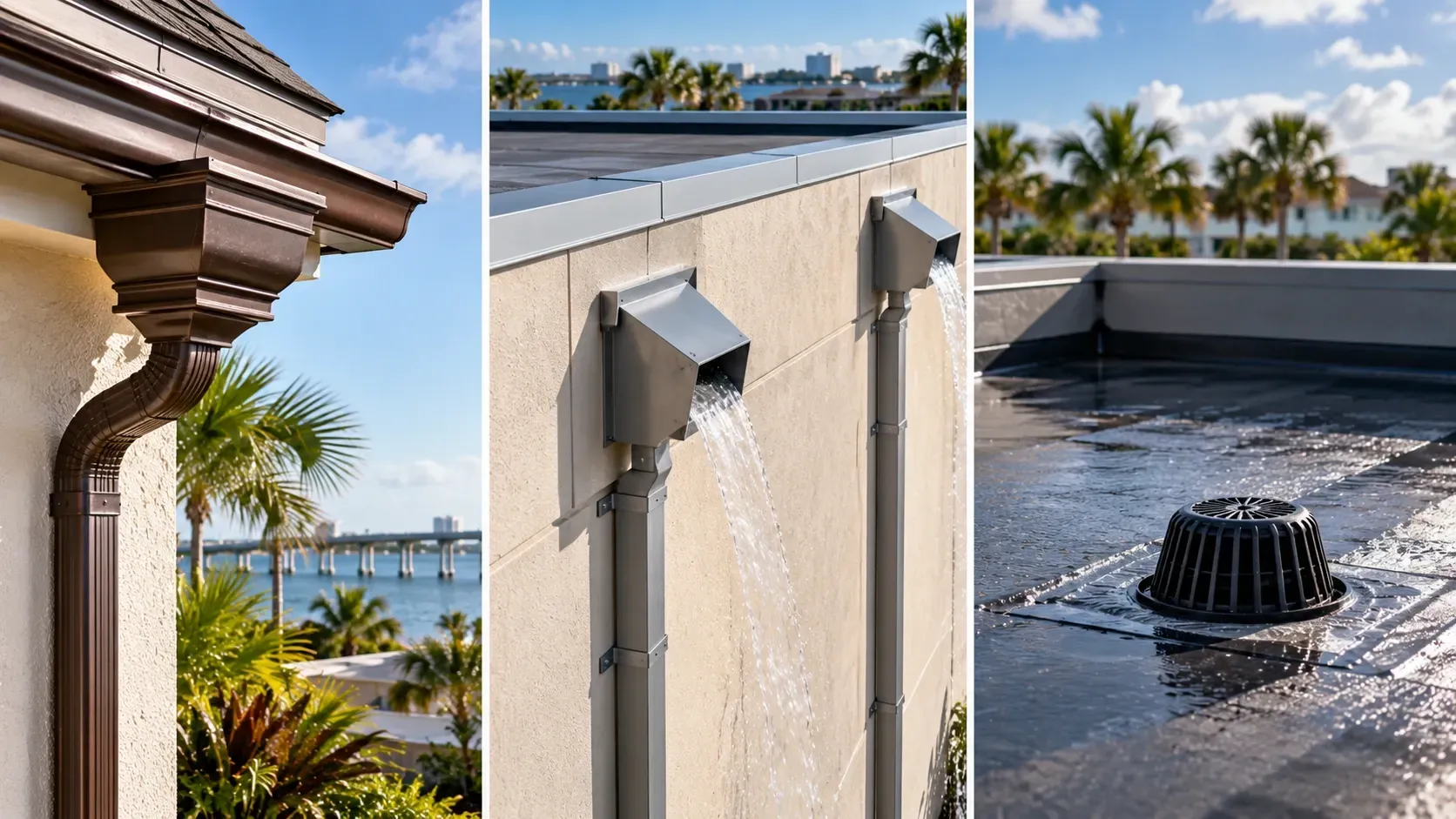
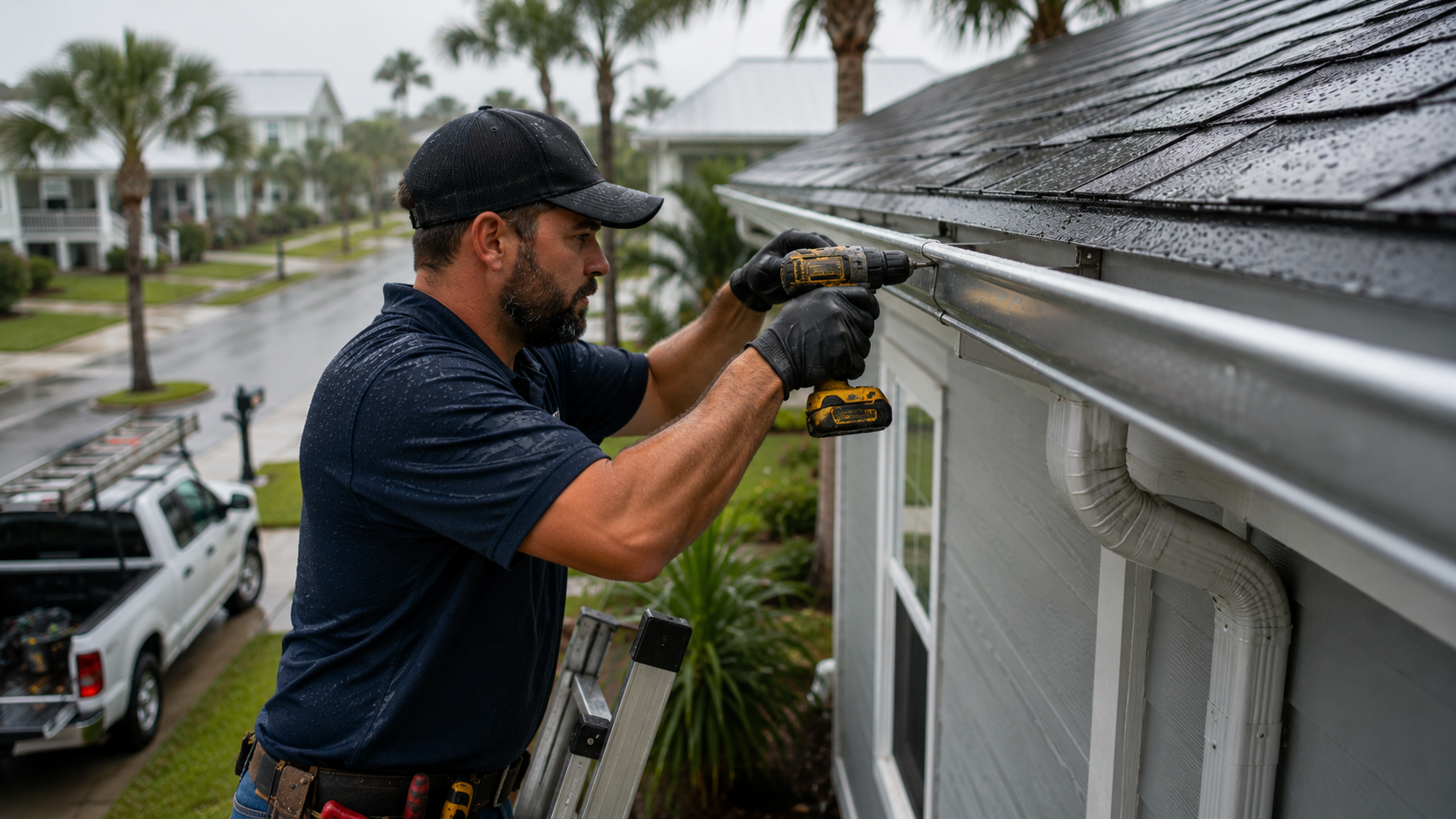
Seamless gutters eliminate most of those joints entirely. A seamless gutter is a single continuous run of material formed on-site to the exact length of your roofline, with joints only at corners and downspout connections. Fewer joints means fewer failure points. That's not marketing. It's geometry.
Why Do Homeowners Keep Installing Sectional Gutters If Seamless Is Better?
Because sectional gutters are available at every home improvement store and can be installed without specialized equipment. That accessibility drives a persistent assumption: if you can buy it at a hardware store, it must be the standard option.
It isn't.
The real reason sectional gutters remain common isn't quality. It's distribution. Seamless gutter fabrication requires a roll-forming machine that produces the gutter on-site to exact measurements. That equipment lives on a contractor's truck, not a store shelf. So the choice between seamless and sectional often comes down to whether the homeowner calls a contractor or walks into a big-box store.
Choosing your gutter system based on what's available at retail is like choosing your roofing material based on what fits in a shopping cart.
This is the category reframe worth sitting with: seamless gutters aren't a premium upgrade to sectional gutters. They're a different class of solution. One that requires professional installation by design, which is exactly why they perform differently.
The Gulf Coast Drainage Decision Matrix
The Gulf Coast Drainage Decision Matrix is a conditions-based framework for matching gutter system type to property profile, rainfall exposure, and budget horizon.
Use it like this:
| Condition | Seamless Gutters | Sectional Gutters | No Gutters |
|---|---|---|---|
| Annual rainfall above 50 inches | Recommended | Acceptable short-term | Not recommended |
| Slab foundation | Strongly recommended | Acceptable | High risk |
| Crawl space or pier foundation | Strongly recommended | Acceptable | High risk |
| Tight upfront budget | Higher upfront cost | Lower upfront cost | Lowest upfront cost |
| 5+ year ownership horizon | Best long-term value | Moderate value | Negative ROI likely |
| Rental or investment property | Recommended | Acceptable | Not recommended |
| Historic or high-curb-appeal home | Recommended custom profile | Limited profile options | Not applicable |
| Commercial property | Recommended | Not recommended | Not recommended |
Use seamless when: you're staying in the property more than five years, your foundation is slab or crawl space, or you're in a high-rainfall zone, which describes most of Northwest Florida and South Alabama.
Use sectional when: you need a temporary solution on a tight timeline, you're managing a low-priority structure, or you're in a very low-rainfall area.
Skip gutters only when: the property has purpose-built drainage grading that actively directs water away from the structure. And even then, consult a contractor before assuming.
What Actually Happens When You Install Seamless Gutters? Realistic Outcomes
A property manager overseeing a small commercial strip in the Pensacola area reported persistent soffit damage across three units. The kind that required repainting every 18 months and wood replacement every three years. After Martin's Seamless Gutters & Fencing installed a properly sized seamless system with correctly positioned downspouts, the soffit repainting cycle extended past four years with no wood replacement needed in that window. The upfront installation cost paid for itself against avoided repair costs within roughly two years.
That's a realistic timeline. Not a guarantee. But a pattern practitioners in this region report consistently.
For residential installations, the typical outcome is simpler: gutters that don't leak at the seams, that don't pull away from the fascia during heavy rain, and that don't require re-sealing every season. The maintenance reduction is real. The mechanism is straightforward. No joints means no sealant to re-apply, no hardware to re-tighten, no gaps for debris to pack into and hold moisture against the fascia.
Homeowners who switch from sectional to seamless most commonly report that they stop thinking about their gutters. That's the goal.
How Does Vinyl Fencing Factor Into a Combined Property Project?
This comes up more than you'd expect. Homeowners who call about gutters often end up discussing fencing in the same conversation. And there's a practical reason for that.
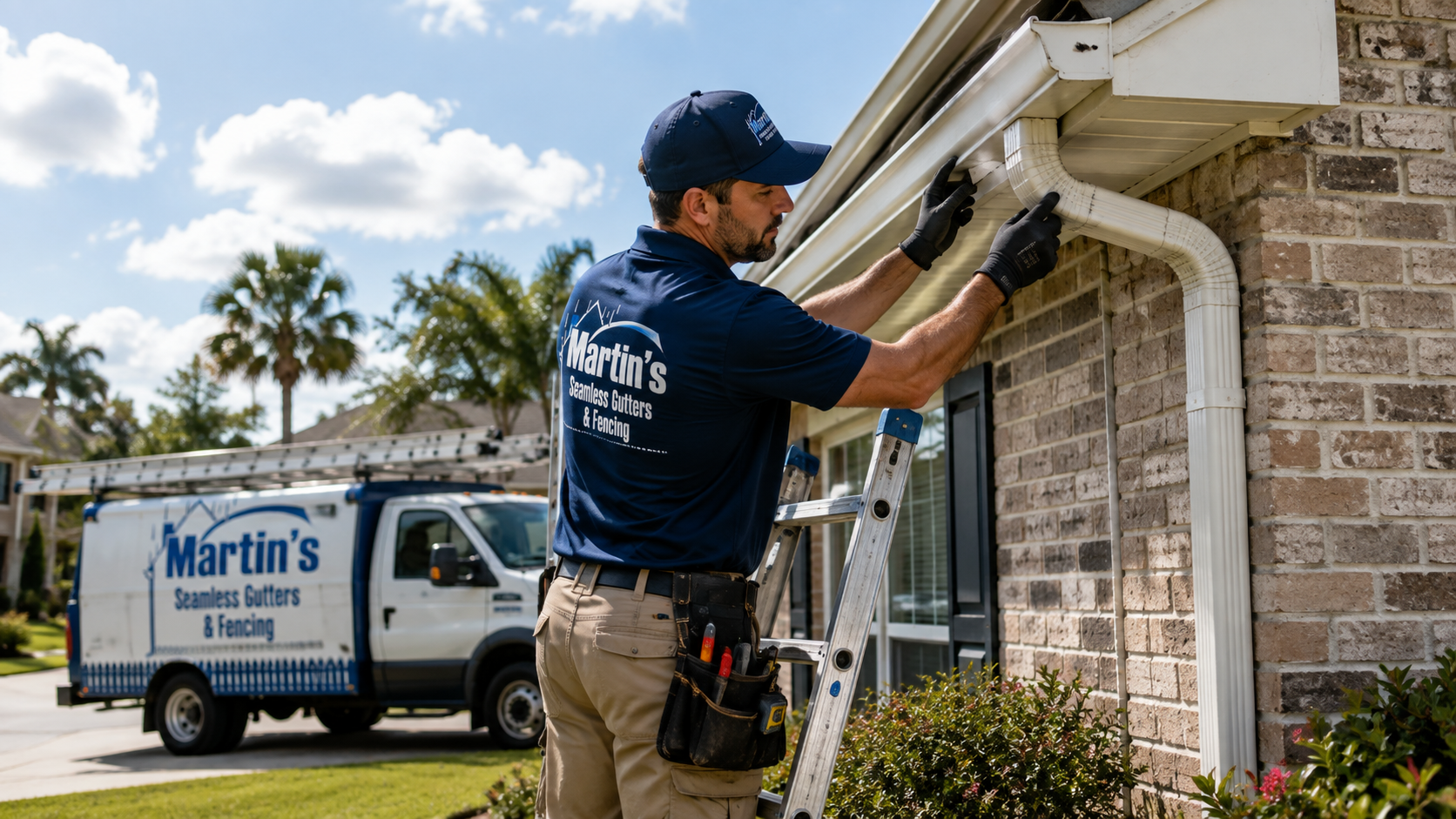
Bundling gutter installation with fence work through a single contractor compresses the project timeline, reduces the number of vendor relationships to manage, and often creates scheduling efficiency that lowers total labor cost. Martin's Seamless Gutters & Fencing handles both, which means one site visit, one estimate, and one point of contact.
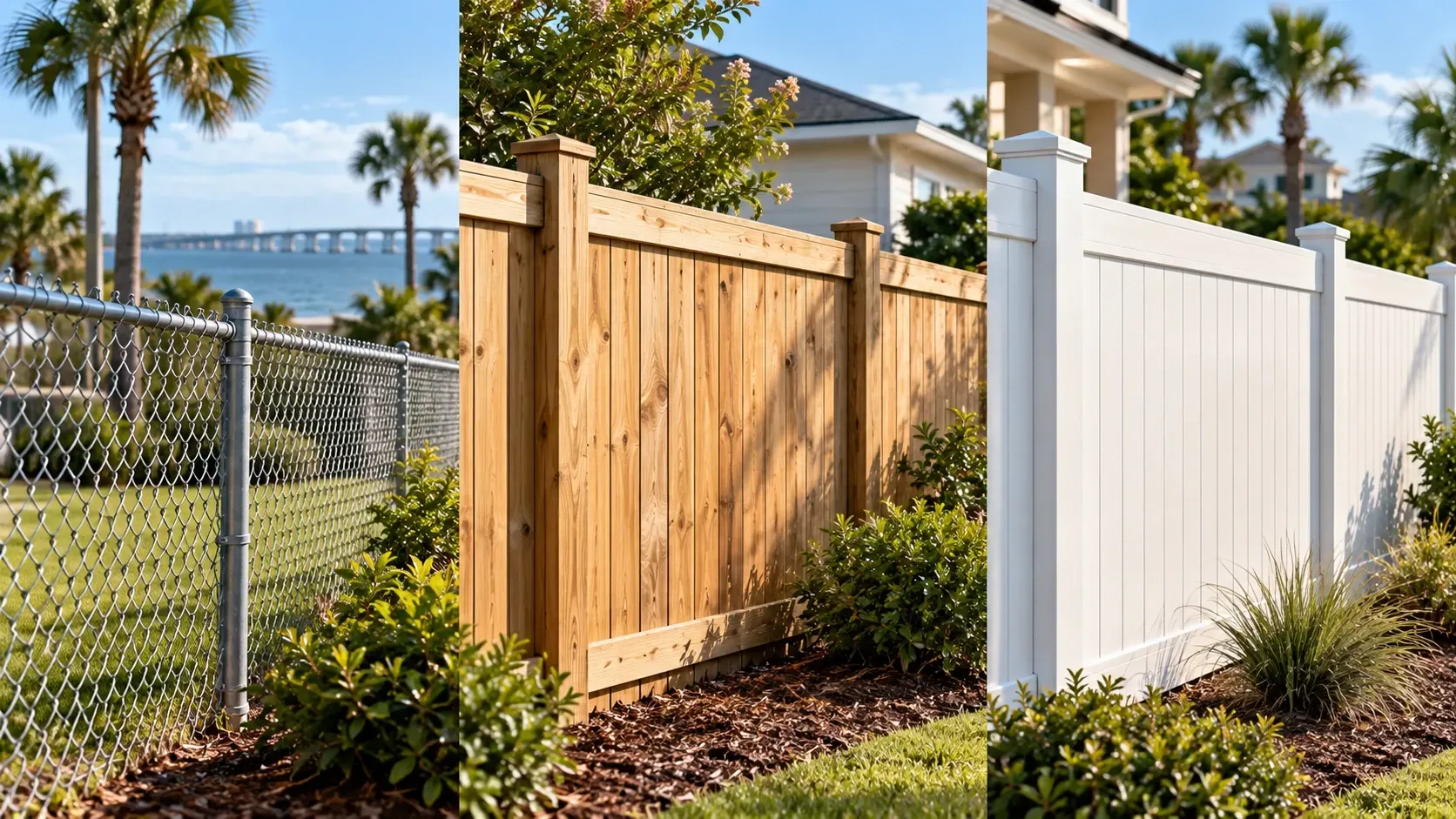
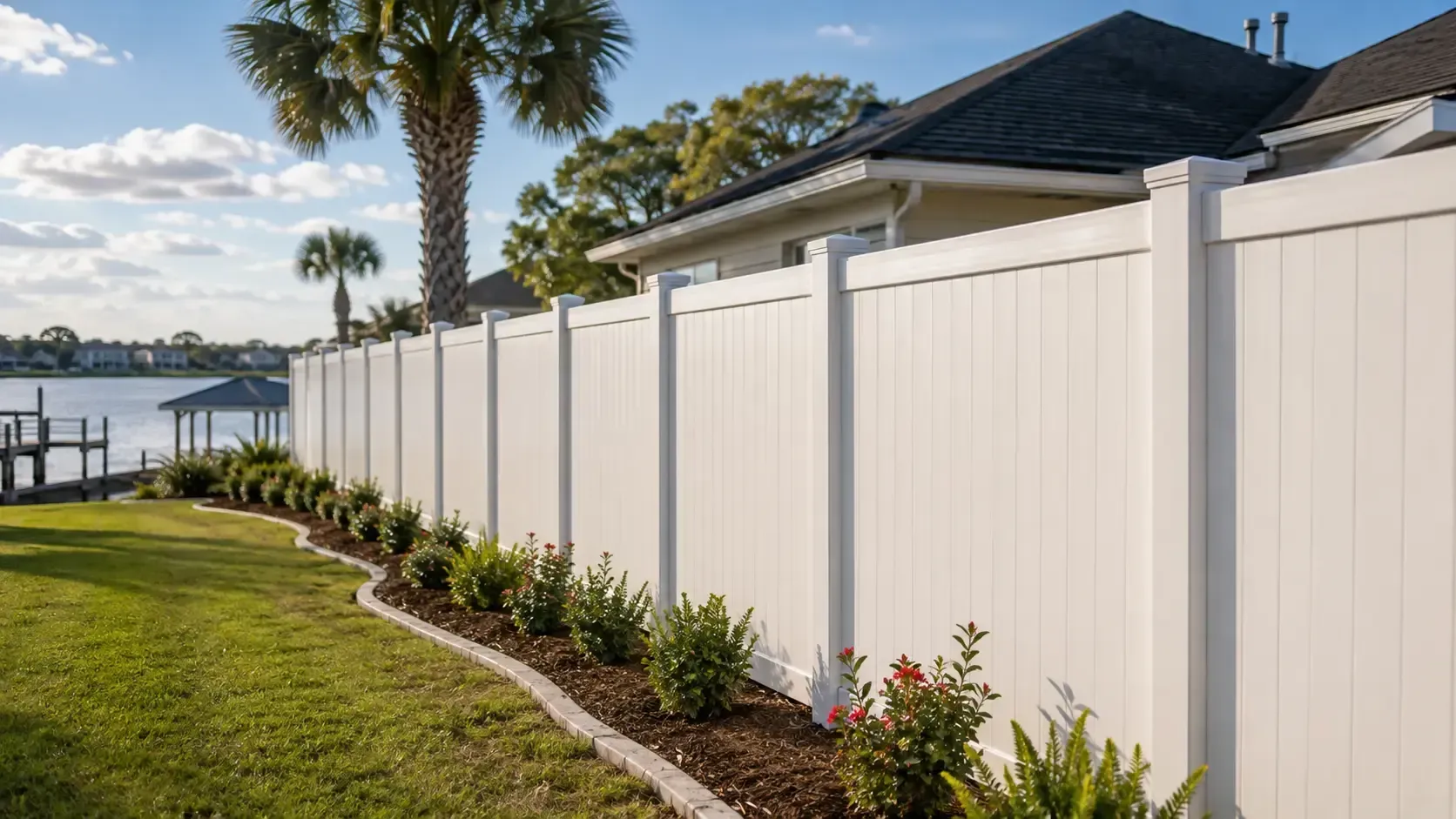
Vinyl fencing in particular pairs well with Gulf Coast conditions for the same reason seamless gutters do: fewer failure points. Wood fencing in high-humidity environments requires consistent maintenance, sealing, staining, rot inspection, that vinyl eliminates. Privacy fence installation using vinyl is a common request for residential properties in Pensacola and surrounding areas where lot lines are close and security matters.
The tradeoff is honest: vinyl costs more upfront than wood or chain link. For a homeowner planning to stay in the property long-term, that premium typically resolves in reduced maintenance costs within five to seven years, based on practitioner estimates in comparable Gulf Coast climates.
Who Should Not Choose Seamless Gutters Right Now?
Seamless gutters are not the right call for every situation. Honesty here matters more than a sale.
If you're selling the property within 12 months and the existing gutters are functional, the ROI on a full seamless replacement is unlikely to materialize before closing. A targeted repair may be the better call.
If the fascia board is already significantly rotted, installing new gutters before addressing the underlying wood damage is money spent on a compromised foundation. The gutter will pull away from rotted wood regardless of how well it's installed. Fix the fascia first.
If the budget is genuinely constrained and the existing sectional system is less than three years old with no active leaks, a repair and re-seal may extend service life enough to defer replacement without meaningful risk.
The goal of a trustworthy contractor is to tell you what you actually need. Not what generates the largest invoice.
Martin's Seamless Gutters & Fencing has operated on that principle since 2004. It's why the reviews reflect what they do, not just what they say.
FAQ: Seamless Gutters in Pensacola and the Gulf Coast
How long do seamless gutters actually last in Florida's climate?
Aluminum seamless gutters in Gulf Coast conditions typically last 20 years or more with basic maintenance, according to industry benchmarks from the National Association of Home Builders. The primary failure modes, joint leaks and sealant breakdown, are largely eliminated by the seamless design, so the remaining variables are proper sizing, correct downspout placement, and keeping gutters clear of debris.
Is it worth getting gutters on a house that doesn't have them right now?
In most cases, yes. Especially on slab foundations or homes with crawl spaces. Unmanaged roof runoff in a high-rainfall region like Northwest Florida actively erodes soil around the foundation, accelerates soffit and fascia rot, and can cause basement or crawl space moisture intrusion. The cost of installing gutters is almost always lower than the cost of repairing the damage that accumulates without them.
What size gutters do I need for a typical Pensacola home?
Most residential homes in the Gulf Coast region are well-served by 5-inch K-style gutters, but homes with steep roof pitches, large roof surface areas, or high-volume drainage zones often need 6-inch gutters to handle peak rainfall without overflow. A contractor should calculate gutter size based on roof square footage and local rainfall intensity, not just visual estimate.
How do I know if I need gutter repair or full replacement?
If the damage is isolated to one section, a single joint leak, a loose downspout, a small hole, repair is usually the right call. If the gutters are pulling away from the fascia along multiple runs, if there are multiple active leaks, or if the system is more than 15 to 20 years old, replacement typically costs less over a five-year horizon than repeated repairs.
Do seamless gutters need cleaning and maintenance?
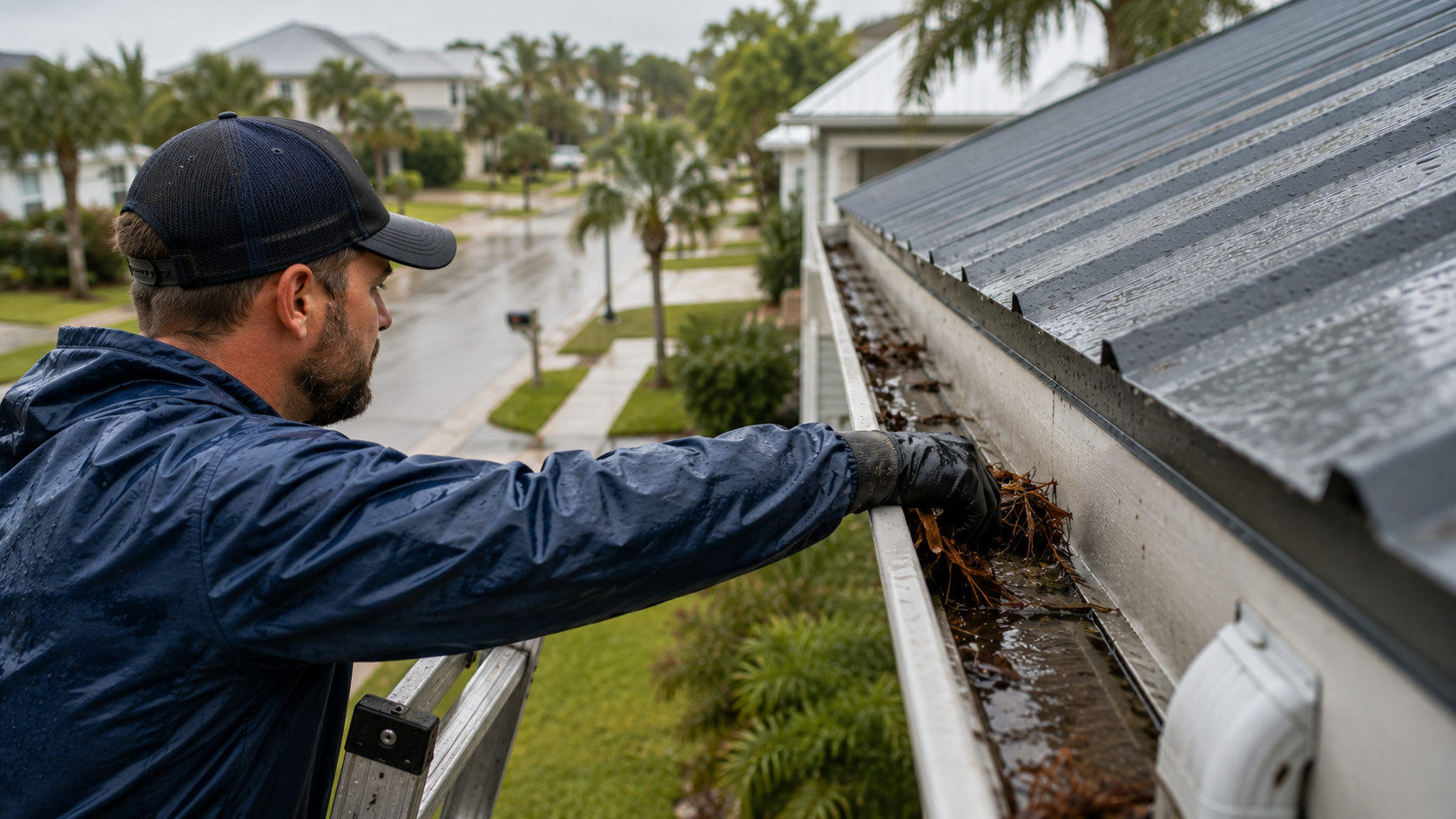
Yes. Seamless gutters eliminate joint failures but don't eliminate debris accumulation. In areas with significant tree coverage, gutters should be cleared at least twice a year. More often if pine trees are nearby, since pine needles compact into a dense mat that blocks water flow faster than leaf debris. Gutter guards can reduce cleaning frequency but don't eliminate it entirely.
Does Martin's Seamless Gutters & Fencing serve areas outside Pensacola?
Yes. Martin's Seamless Gutters & Fencing serves 14-plus locations across Northwest Florida and South Alabama, including communities throughout the Gulf Coast region. If you're unsure whether your area is covered, the fastest way to confirm is to call and schedule an appointment. The service area is broader than most local residents expect.
What's the difference between K-style and half-round gutters, and does it matter for my house?
K-style gutters have a flat back and decorative front profile. They're the most common residential gutter style and handle high water volume efficiently. Half-round gutters are a rounded trough profile, more common on older or historic homes, and they drain slightly faster but hold less total volume. For most Gulf Coast homes, K-style is the practical choice. Half-round is worth considering if you're matching an existing architectural profile on a historic property.
If you've read this far, you're not just browsing. You're trying to make a decision you won't have to revisit in two years. That's exactly the right place to be before calling a contractor.
Schedule an appointment with Martin's Seamless Gutters & Fencing. Tell them what you're seeing. The overflow, the soft fascia, the water pooling at the foundation. And get a straight answer about what your property actually needs. No oversell. Just a family-operated team that's been doing this work on the Gulf Coast since 2004.
Visit martinsseamlessgutters.com or call to schedule your estimate.
References
- NOAA National Centers for Environmental Information. Regional precipitation data for the Florida Panhandle and Gulf Coast climate zone.
- National Association of Home Builders. Residential building component lifespan benchmarks, including gutter systems.